


Tìm hiểu thêm về các chất liệu và kỹ thuật nghệ thuật
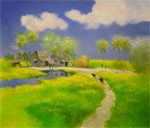 Tranh của hoạ sĩ Đặng Can Sơn dầu trên toan
HỘI HỌA:
Sơn dầu:
Sơn dầu là loại sơn có thời gian khô chậm, được tạo ra bằng cách trộn bột màu với dầu, phổ biến nhất là dầu lanh. Sơn dầu thường có độ che phủ cao và không bao giờ khô hoàn toàn, mà tạo thành một lớp màng cứng. Từ thế kỷ XVI, sơn dầu trên toan đã trở thành chất liệu tiêu chuẩn của các họa sĩ vì dễ thao tác và rất linh hoạt, cho phép nghệ sĩ tạo ra các lớp màu chồng lên nhau hoặc bề mặt mịn màng, giàu sắc độ.
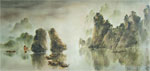
Tranh của hoạ sĩ Huy Thanh
Màu nước trên lụa
Màu nước:
Màu nước là loại sơn gốc nước có độ trong suốt. Kỹ thuật này dựa trên hệ thống sắc độ trong suốt hoặc phủ màu, tận dụng chính màu của giấy để tạo nên các vùng trắng và sắc độ nhạt.
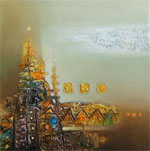
Tranh của hoạ sĩ Lê Nhường
Sơn acrylic trên toan
Acrylic:
Chất liệu hội họa này được phát triển vào giữa thế kỷ XX. Acrylic là một loại nhựa tổng hợp dựa trên polymer màu, trong đó bột màu được phân tán trong nhũ tương acrylic. Nghệ sĩ có thể pha loãng màu với nước, nhưng khi khô, các hạt nhựa kết dính lại tạo thành một lớp màng bền, dẻo và chống nước. Loại sơn này được ưa chuộng vì khô nhanh, cho phép họa sĩ tiếp tục vẽ lên lớp màu trước gần như ngay lập tức. Mặc dù acrylic không linh hoạt như sơn dầu hay màu nước, nghệ sĩ vẫn có thể tạo ra bề mặt mờ, bán mờ hoặc bóng bằng cách pha trộn với các chất phụ trợ phù hợp.

Tác phẩm gouache nguyên bản của
hoạ sĩ Thụy Sĩ Paul Berger,
Phong cảnh mùa thu
Gouache:
Gouache là một dạng màu nước có độ che phủ cao, khác với màu nước trong suốt ở chỗ nó tạo ra một lớp sơn rõ rệt và có độ dày nhất định. Gouache có khả năng phản xạ ánh sáng rực rỡ và thường được sử dụng với gam màu đậm hoặc các mảng tương phản mạnh.
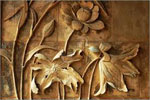
Hình ảnh nghệ thuật chạm khắc
gạch cổ hình hoa sen
tại Trung Quốc
ĐIÊU KHẮC
Chạm khắc:
Chạm khắc là một kỹ thuật tạo hình theo hướng loại bỏ vật liệu, trong đó nghệ sĩ cắt gọt hoặc mài mòn một khối vật liệu để tạo ra tác phẩm. Gỗ rất dẻo nên dễ chạm khắc, tuy nhiên lại nhạy cảm với độ ẩm và nhiệt độ khắc nghiệt do “thở” nhiều hơn đá, vì vậy cần được sấy khô và xử lý trước để tránh nứt hoặc cong vênh. Đá cẩm thạch, chất liệu được sử dụng phổ biến từ thời Hy Lạp cổ đại, rất cứng và khó chạm khắc; đá alabaster có đặc tính thẩm mỹ tương tự cẩm thạch nhưng mềm và dễ chạm hơn; đá vôi, đá granite và đá sa thạch cũng là những chất liệu được ưa chuộng.
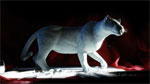
Solon – Nghệ thuật tạo hình
Tạo hình (Modeling):
Tạo hình là quá trình hình thành một khối ba chiều từ đất sét hoặc sáp. Các tác phẩm đất sét được nung trong lò, quá trình này giúp vật liệu trở nên bền vững và lâu dài.
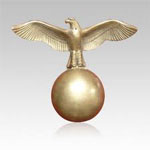
Đúc đồng
Đúc:
Một chất lỏng như nhựa, đất sét hoặc kim loại nóng chảy được đổ vào khuôn, khuôn này được tạo ra từ một mẫu đất sét hoặc sáp. Đồng (hợp kim của đồng và thiếc) thường được sử dụng trong kỹ thuật đúc, ngoài ra bê tông và nhựa resin cũng có thể được đúc.
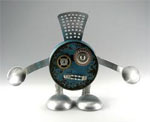
Tác phẩm assemblage robot
của Brian Marshall
Assemblage:
Thuật ngữ này chỉ các tác phẩm như cấu trúc kim loại hàn, trong đó các yếu tố có sẵn được ghép nối với nhau. Hình thức này xuất hiện rõ nét trong các phong trào nghệ thuật mang tính cách mạng vào quý đầu thế kỷ XX tại Pháp, Nga và Đức.
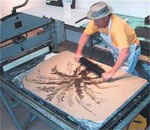
In thạch bản trên đá.
Ảnh: Toby Michel
NGHỆ THUẬT IN
In thạch bản:
In thạch bản là kỹ thuật vẽ hoặc tô màu bằng bút sáp và mực dầu lên một phiến đá vôi đã được mài phẳng và nhẵn. Sau nhiều công đoạn xử lý, bề mặt đá được làm ẩm bằng nước để thấm vào những vùng không có sáp, trong khi các vùng vẽ bằng sáp vẫn khô do dầu đẩy nước. Mực in gốc dầu sau đó được lăn lên bề mặt đá và sẽ bị đẩy khỏi các vùng ướt. Bản in thu được bằng cách ép giấy lên bề mặt đá đã lăn mực, tạo ra một bản sao đảo ngược của hình vẽ gốc.
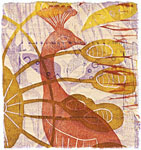
Tranh khắc gỗ nguyên bản “Pfau”
monoprint của mLee
Monoprint và Monotype:
Hai thuật ngữ này thường bị nhầm lẫn là một, nhưng thực tế có những khác biệt quan trọng. Monoprint có một hình ảnh nền cố định (như bản khắc hoặc lưới in), sau đó được làm cho trở nên độc bản thông qua việc tô màu thủ công hoặc can thiệp bề mặt. Một loạt monoprint có thể tương tự nhau nhưng không hoàn toàn giống nhau. Monotype là hình ảnh độc nhất và không có khuôn in lặp lại. Thay vào đó, một lớp mực mỏng và đều được lăn lên bề mặt bản in, nghệ sĩ thao tác trực tiếp bằng cách vẽ hoặc lau bớt mực. Hình ảnh in được lấy trực tiếp từ bề mặt này.
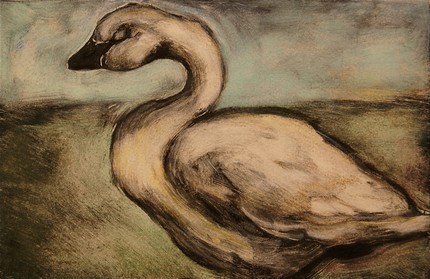
“Nghiên cứu thiên nga” monotype nguyên bản
của deandymentstudios
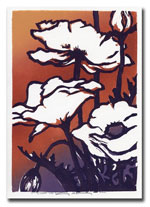 Bản in khắc “White Poppies” của Kgcrafts
In nổi (Relief Printing):
Đây là kỹ thuật in cổ xưa nhất, trong đó một phần bề mặt khối vật liệu được cắt bỏ để phần hình ảnh cần in nổi lên. Tranh khắc gỗ được tạo ra bằng cách khắc lên bề mặt gỗ cứng nhẵn bằng dao, sử dụng mũi đục chữ V và U để tạo các đường nét tinh tế. Khi in, những phần bị cắt sẽ giữ màu trắng, còn phần nổi sẽ hiện hình. Mỗi màu cần một bản khắc riêng, và các nghệ sĩ in thường chỉ sử dụng từ ba đến bốn màu vì lý do thẩm mỹ. Linocut, một biến thể thế kỷ XX của khắc gỗ, sử dụng linoleum thay cho gỗ; tuy dễ thao tác hơn nhưng không cho phép những đường khắc quá tinh vi.
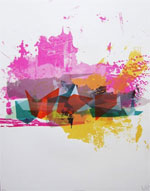
Bản in lưới “Longitude 4”
của electrofervor.
In lưới / Serigraphy / In lụa:
Serigraphy là kỹ thuật in nhiều màu phát triển tại Mỹ vào thế kỷ XX. Phương pháp stencil sử dụng lưới lụa hoặc nylon căng trên khung gỗ hoặc kim loại. Các vật liệu tạo màng, phim cắt tay và nhũ tương nhạy sáng được dùng để tạo hình. Màu được đổ lên khung, sau đó gạt qua khuôn bằng thanh gạt để màu thấm qua các vùng lưới không bị che, in lên bề mặt bên dưới.
In lõm (Intaglio):
In lõm bao gồm nhiều kỹ thuật khác nhau, điểm chung là hình ảnh in nằm ở phần lõm. Mực in được ép vào các rãnh lõm, sau đó lau sạch bề mặt để mực chỉ còn lại trong các đường khắc. Các kỹ thuật in lõm gồm: Etching, Drypoint, Aquatint, Mezzotint và Collagraph.
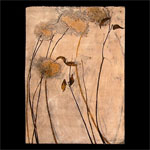
Tranh khắc axit “Winter Hydrangea”
của Helen Gotlieb
Khắc axit (Etching):
Bản kim loại được phủ một lớp sáp chống axit, sau đó nghệ sĩ vẽ lên bằng nhiều loại dụng cụ khác nhau để lộ phần kim loại cần in. Bản in được ngâm trong axit để ăn mòn các vùng lộ ra. Sau khi lăn mực và lau sạch bề mặt, mực chỉ còn lại trong các rãnh khắc. Cuối cùng, bản được ép cùng giấy ẩm qua máy in để chuyển mực lên giấy. Rembrandt van Rijn là người đã góp phần phổ biến kỹ thuật này.
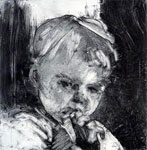
Drypoint
Drypoint:
Trong kỹ thuật drypoint, nghệ sĩ vẽ trực tiếp lên bản kim loại bằng bút thép, tạo ra các ba via kim loại giúp hình in có chiều sâu và độ đậm đặc. Do ba via rất mỏng và dễ bị ép bẹp, thông thường chỉ in được dưới 50 bản.
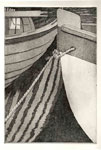
“Tethered” aquatint
của chartwellprint
Aquatint:
Aquatint là một kỹ thuật khắc axit cho phép in các mảng sắc độ lớn khác nhau nhờ bề mặt bản có kết cấu hạt. Bề mặt cần khắc được phủ bột nhựa thông, sau đó nung để bột chảy bám vào bản. Khi ngâm axit, những vùng không được bảo vệ sẽ bị ăn mòn.
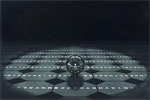
Bản in mezzotint “Eclipse”
của Guntars Sietins
Mezzotint:
Đây là kỹ thuật in lõm đòi hỏi nhiều công sức nhất. Toàn bộ bề mặt bản được làm nhám bằng lưỡi dao cong có răng, tạo ra bề mặt in đen hoàn toàn. Việc cạo hoặc đánh bóng sẽ tạo ra các sắc độ sáng và trung gian. Mezzotint màu cần một bản riêng cho mỗi màu và được in chồng lên nhau qua nhiều lần in.
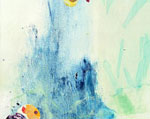
“Moons” – bản in collograph
của Evan Michael
Collagraph:
Xuất phát từ từ “collage”, collograph được tạo ra bằng cách đắp ghép vật liệu lên một bề mặt (bìa cứng, kim loại hoặc nhựa) bằng keo và các vật liệu khác, tạo nên các vùng lõm giữ mực in.